

QI Group continued its engagement with the World Economic Forum Chief Sustainability Officers Community, drawing insights from global experts on energy value chains, strategic foresight and authentic leadership.
QI Group participated in three virtual knowledge sessions organised by the World Economic Forum (WEF) Chief Sustainability Officers (CSO) Community in August 2026, exploring issues shaping business resilience and sustainable growth.
Sarah Noble, Head of Group Corporate Sustainability at QI Group and the Group’s representative in the WEF CSO Community, attended the sessions, which examined critical mineral and energy value chains, strategic foresight in times of uncertainty and the role of authentic leadership in organisations.
The discussions form part of QI Group’s continued engagement with the WEF CSO Community and provide perspectives that can inform its approach to resilience, responsible leadership and long-term decision-making.
Building Resilient Energy and Mineral Value Chains
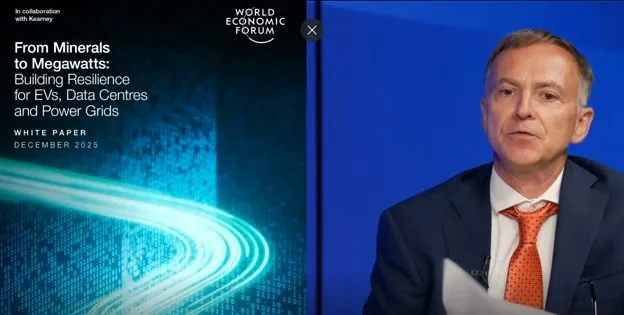
The first session, “Powering the Future: From Minerals to Megawatts,” explored the growing importance of minerals and materials needed to support electric vehicles, data centres and power grids.
Drawing on the From Minerals to Megawatts report, the discussion examined how geopolitical disruption, market volatility and infrastructure constraints are creating vulnerabilities across global mineral and energy value chains.
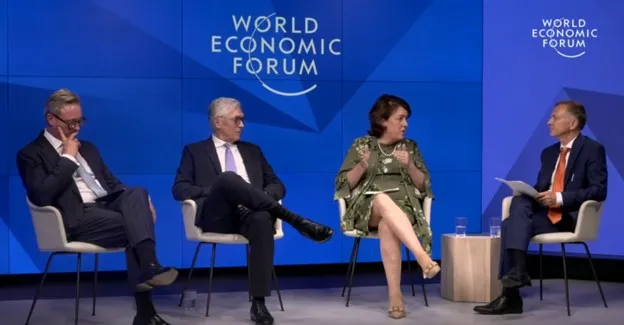
Speakers highlighted the need for greater coordination across mining, processing, manufacturing, technology and electricity systems, supported by long-term investment and planning.
For QI Group, the discussion provided relevant perspectives on the links between sustainability, supply-chain resilience and responsible sourcing, as the Group continues to strengthen environmental planning and sustainable procurement across its operations.
Using Strategic Foresight to Navigate Uncertainty
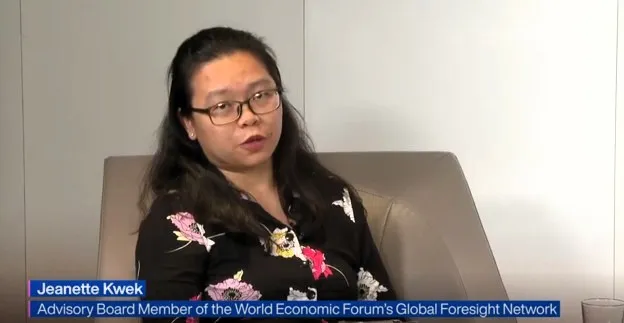
The second session, “When the Future Feels Unstable: Foresight as a Tool for Resilience,” examined how organisations can use strategic foresight to prepare for accelerating change, overlapping crises and uncertainty.
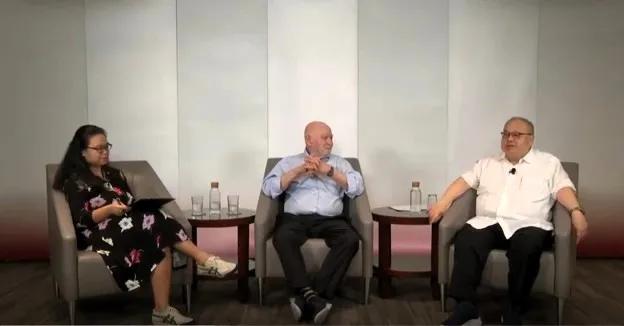
The discussion explored how leaders can anticipate emerging risks, assess different future scenarios and test whether decisions made today remain resilient under changing conditions.
Rather than attempting to predict a single future, strategic foresight enables organisations to prepare for a range of possibilities and integrate longer-term thinking into strategy, risk management and organisational planning.
These insights reinforce the value of forward-looking decision-making for QI Group as it navigates evolving sustainability, geopolitical and technological developments.
Connecting Authentic Leadership With Organisational Impact
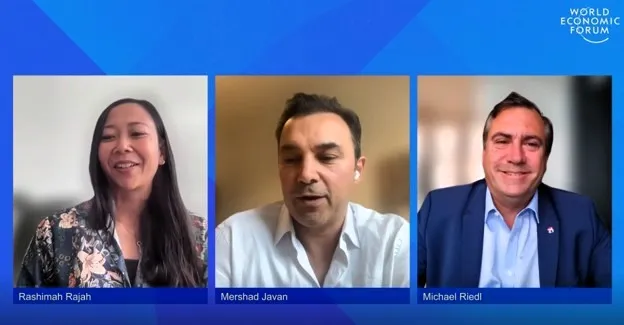
The final session, “Authentic Leadership Revisited: What Drives Real Impact?”, examined how purpose-driven leadership can strengthen trust, engagement and organisational performance.
Led by Dr Rashimah Rajah, Assistant Professor of Organisational Behaviour and Technology at the University of Twente, the discussion explored how leaders can connect personal values with organisational strategy while maintaining integrity and translating purpose into action.
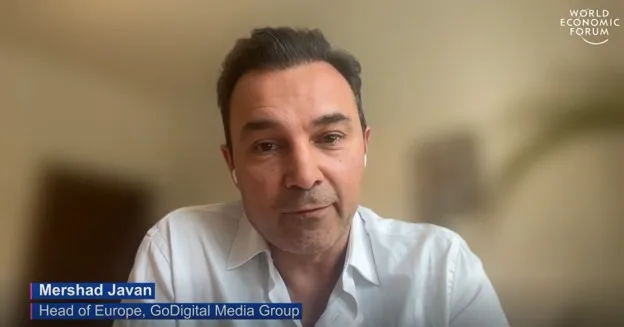
The session also highlighted that authentic leadership requires more than personal expression. Self-awareness, consistency and the ability to turn values into decisions and behaviours are critical to creating meaningful organisational impact.
For QI Group, these perspectives align with its continued focus on values-led leadership, good governance and positive social impact.
Turning Global Perspectives Into Long-Term Resilience
QI Group’s participation in the WEF CSO Community sessions provides continued access to global perspectives on emerging sustainability and business challenges.
By engaging with discussions spanning the energy transition, strategic foresight and authentic leadership, the Group continues to build knowledge that supports responsible decision-making, organisational resilience and sustainable long-term growth.